
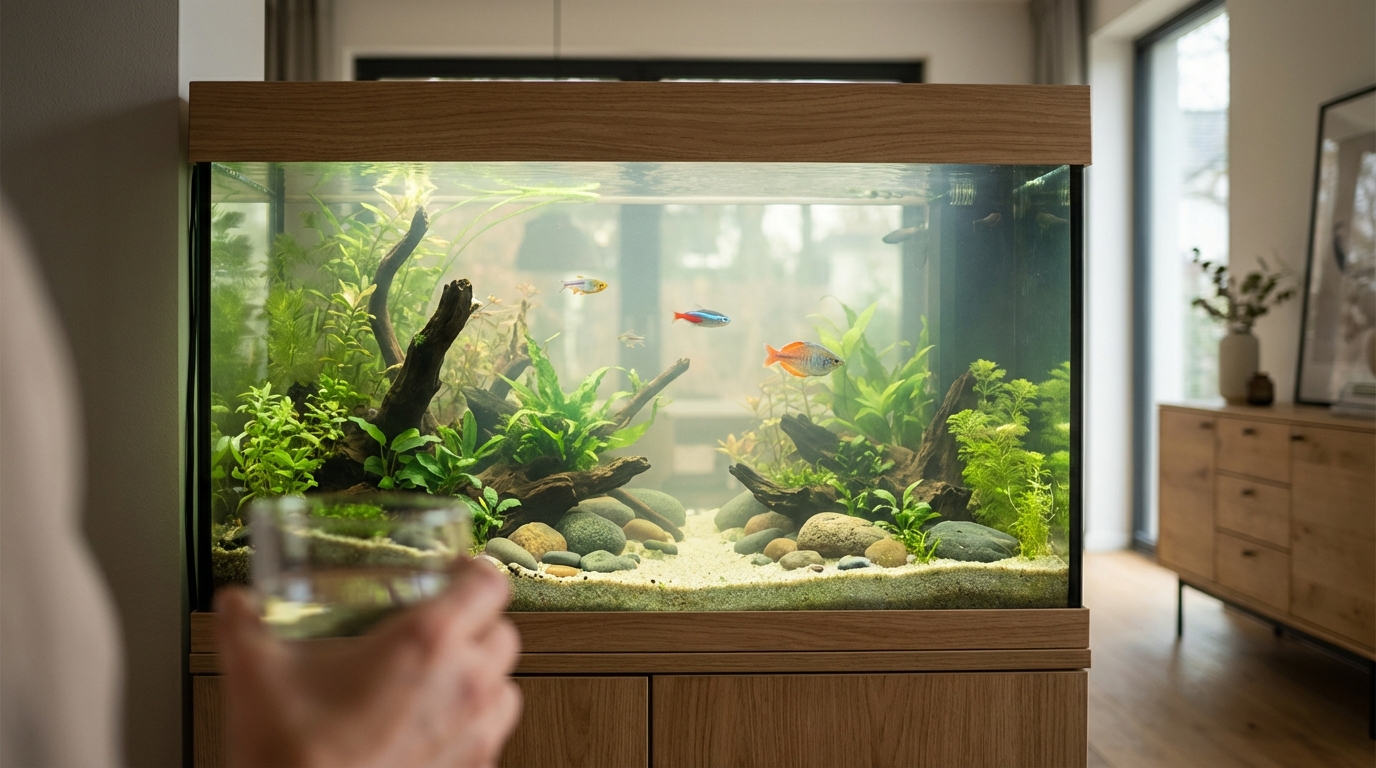
Why Your Aquarium Water Is Cloudy: Identifying and Fixing All 5 Common Causes
Cloudy aquarium water is one of the most common concerns among fishkeepers, whether you're just starting out or managing an established tank. While it can be alarming to see your once crystal-clear aquarium turn murky, the good news is that cloudy water is usually a solvable problem once you identify the underlying cause.
In this comprehensive guide, we'll walk you through the five most common causes of cloudy aquarium water and provide practical solutions to restore clarity to your tank.
Understanding What Cloudiness Tells You
Before diving into solutions, it's important to recognize that cloudy water is a symptom, not a disease. The colour and timing of the cloudiness can provide valuable clues about what's happening in your aquarium ecosystem. White or greyish cloudiness typically indicates bacterial blooms or substrate issues, while green cloudiness almost always points to algae. Brown or yellowish tints suggest organic matter buildup.
Cause 1: New Tank Syndrome (Bacterial Bloom)
What It Looks Like
A white or greyish cloudiness that appears within the first few days to weeks of setting up a new aquarium. The water may look milky or hazy throughout the entire tank.
Why It Happens
When you first establish an aquarium, beneficial bacteria colonies haven't yet developed to process fish waste and excess nutrients. As these bacteria begin to multiply rapidly, they temporarily cloud the water. This is completely normal and actually a sign that your tank is cycling properly.
The Solution
Be patient – this is the most important advice. Bacterial blooms typically clear on their own within 3-7 days as the bacterial populations stabilize. Resist the urge to perform large water changes, as this can prolong the cycling process.
To support healthy bacterial colonization:
- Use a quality bacterial starter like
Seachem Stability 250ml
Concentrated beneficial bacteria for new tank cycling. Establishes biofilter fast and safely.
to accelerate the establishment of beneficial bacteria
- Ensure adequate filtration is running continuously
- Test water parameters regularly with
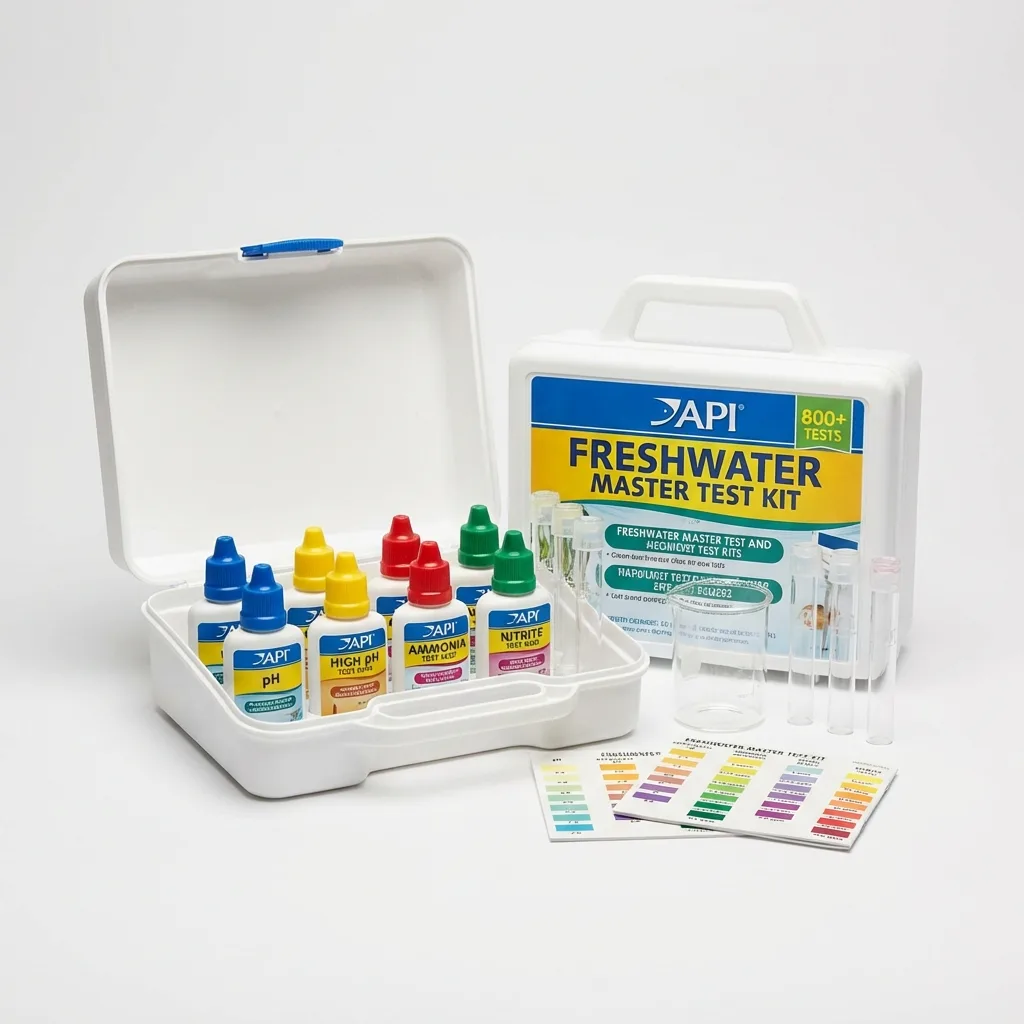
API Master Test Kit (Freshwater)
Complete liquid test kit: pH, High pH, Ammonia, Nitrite, Nitrate. 800+ tests per kit.
to monitor ammonia, nitrite, and nitrate levels
- Avoid overfeeding during this period
- Don't add too many fish at once
Cause 2: Substrate Disturbance
What It Looks Like
Sudden cloudiness that appears after adding substrate, performing maintenance, or introducing new decorations. The water may have a dusty, particulate appearance.
Why It Happens
Many substrates, particularly fine sands and soils, contain dust particles that become suspended in the water column when disturbed. This is especially common with nutrient-rich aquascaping substrates like
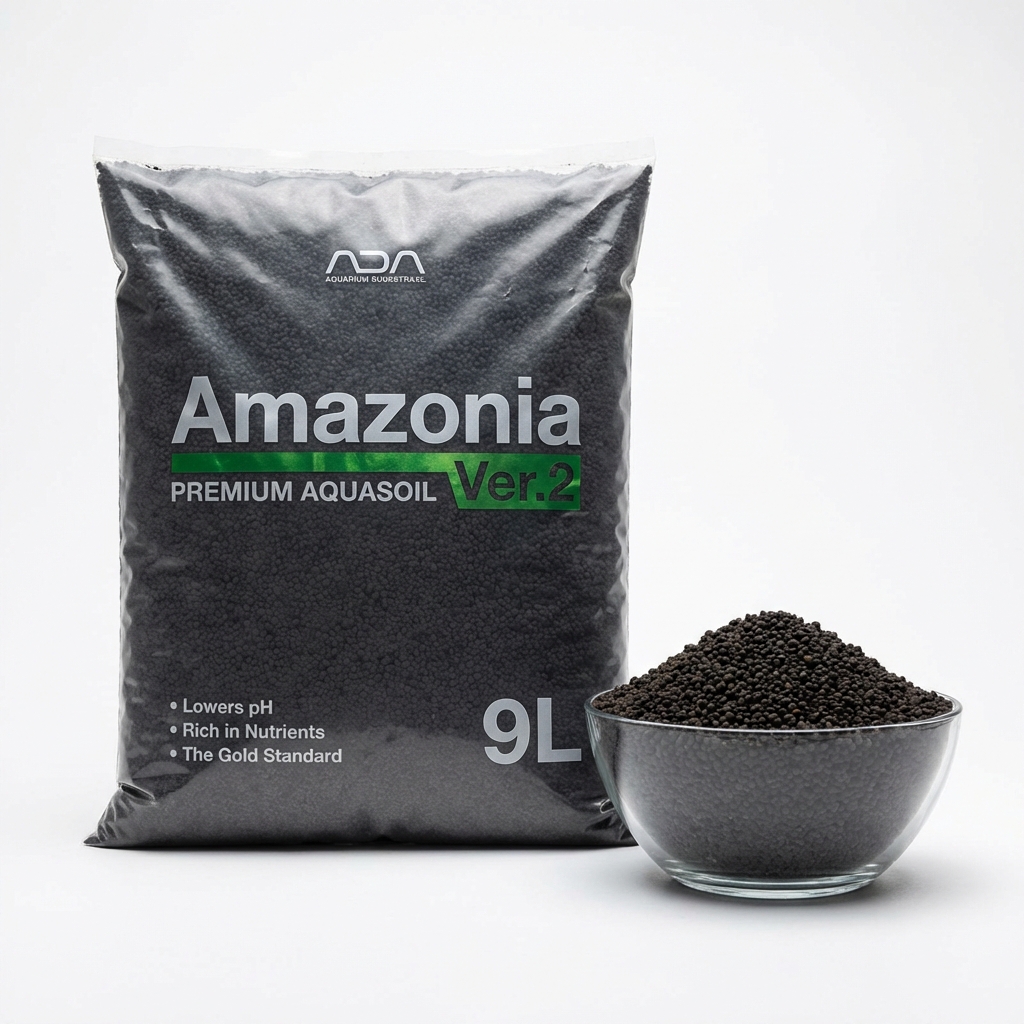
ADA Amazonia Ver.2 (9L)
Premium aquasoil for planted tanks. Lowers pH, rich in nutrients. The gold standard substrate.
or
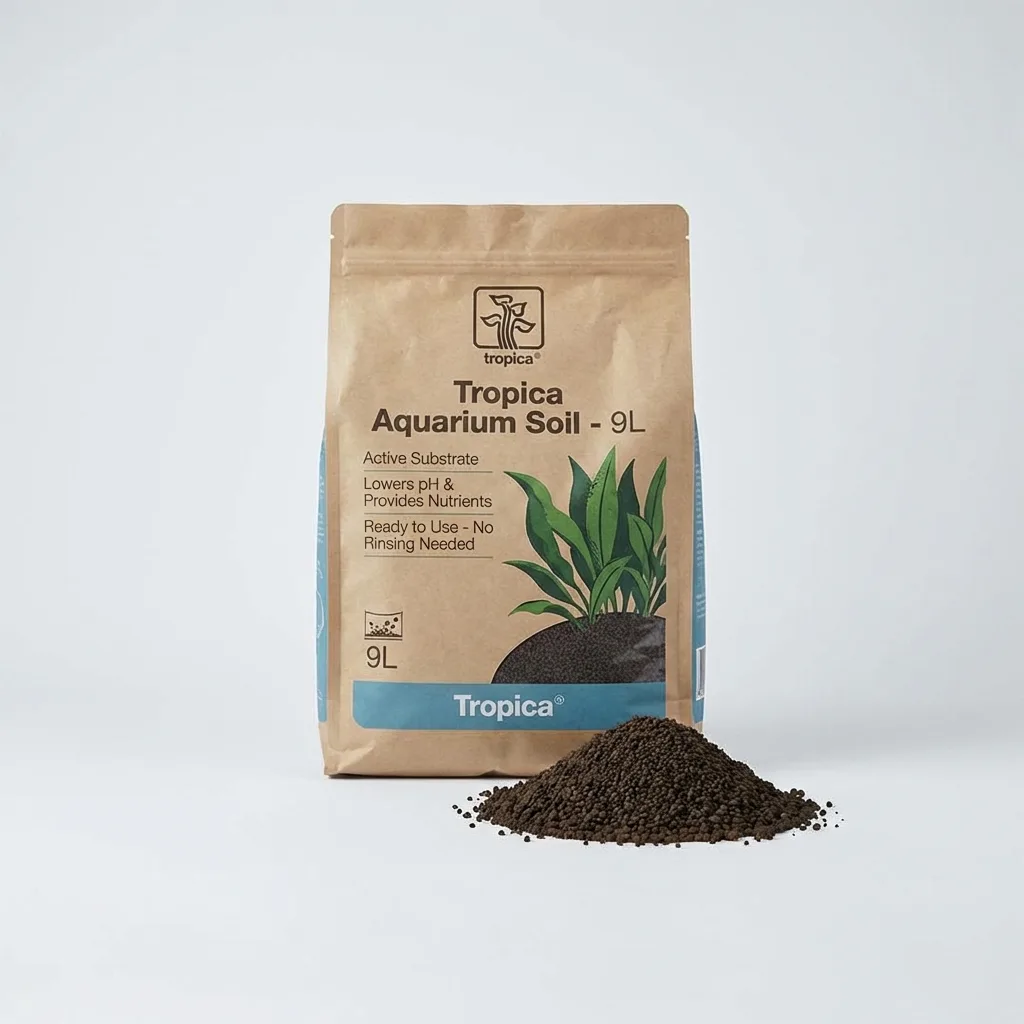
Tropica Aquarium Soil (9L)
Active substrate that lowers pH and provides nutrients. Ready to use, no rinsing needed.
, which can release fine particles during initial setup or when rearranged.
The Solution
Prevention is key: Always rinse inert substrates thoroughly before adding them to your tank. For active soils designed not to be rinsed, expect some initial cloudiness.
For immediate relief:
- Perform a 25-30% water change to remove suspended particles
- Ensure your filter is working efficiently – a quality external filter like the
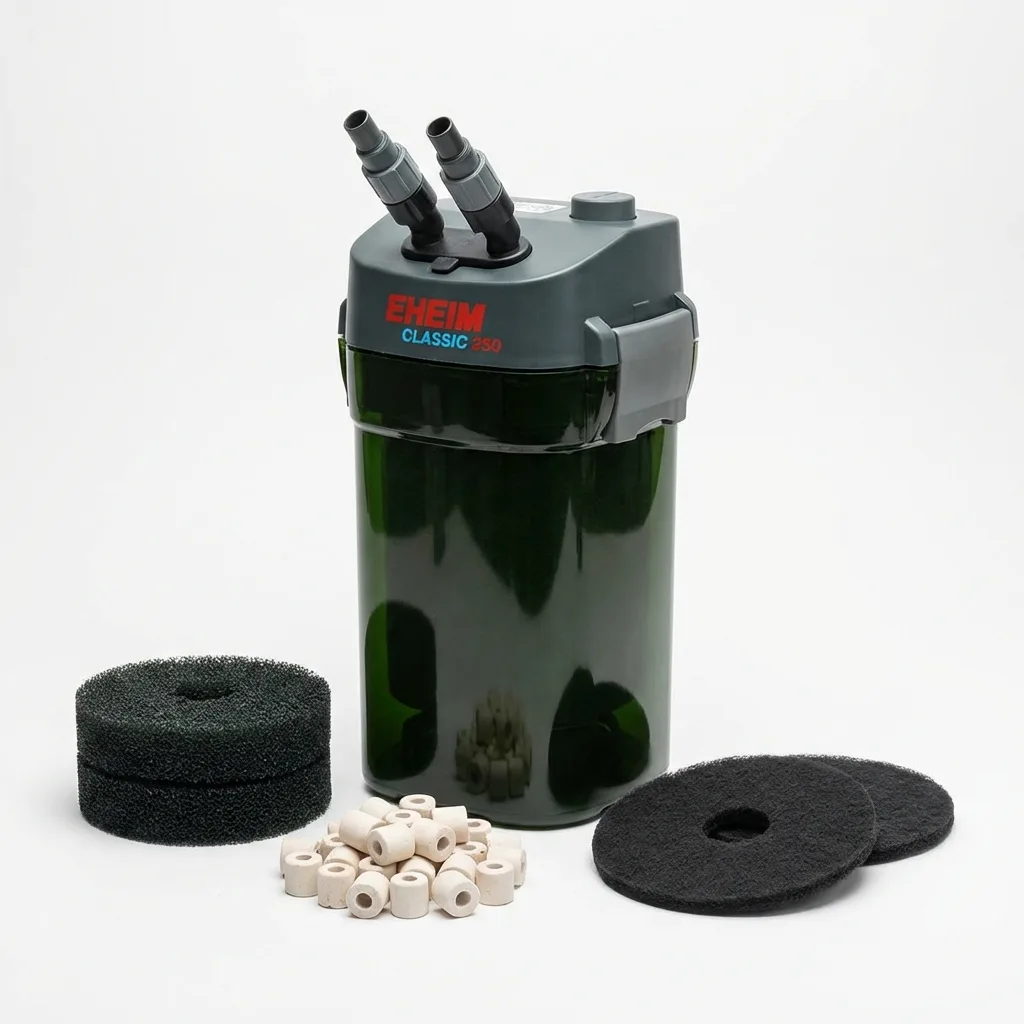
Eheim Classic 250 External Filter
Legendary reliability for 80-250L tanks. Quiet operation, includes all media. Industry standard.
can quickly clear particulate matter
- Turn off circulation pumps temporarily to allow particles to settle
- Use fine mechanical filtration media in your filter
- Wait 24-48 hours; most particulate cloudiness will settle or be filtered out
When performing maintenance in established tanks, work gently and avoid stirring up the substrate unnecessarily.
Cause 3: Algae Bloom (Green Water)
What It Looks Like
A distinctive green tint to the water, ranging from light tea-colored to pea soup consistency. The water may appear relatively clear up close but green when viewed through the length of the tank.
Why It Happens
Green water is caused by a population explosion of free-floating microscopic algae. This occurs when there's an imbalance between available nutrients (particularly nitrates and phosphates) and insufficient plant mass or light control. Common triggers include:
- Excessive light exposure (too intense, too long, or too much natural sunlight)
- High nutrient levels from overfeeding or inadequate filtration
- Insufficient plant competition for nutrients
- Lack of regular maintenance
The Solution
Green water requires a multi-faceted approach:
Immediate actions:
- Reduce lighting duration to 6-7 hours per day initially
- Perform a 30-40% water change
- Clean your filter and ensure it's functioning optimally
- Remove excess food and organic debris
- Consider a temporary blackout (covering the tank completely for 3-4 days)
Long-term prevention:
- Establish a consistent lighting schedule with appropriate intensity
- Add fast-growing plants like
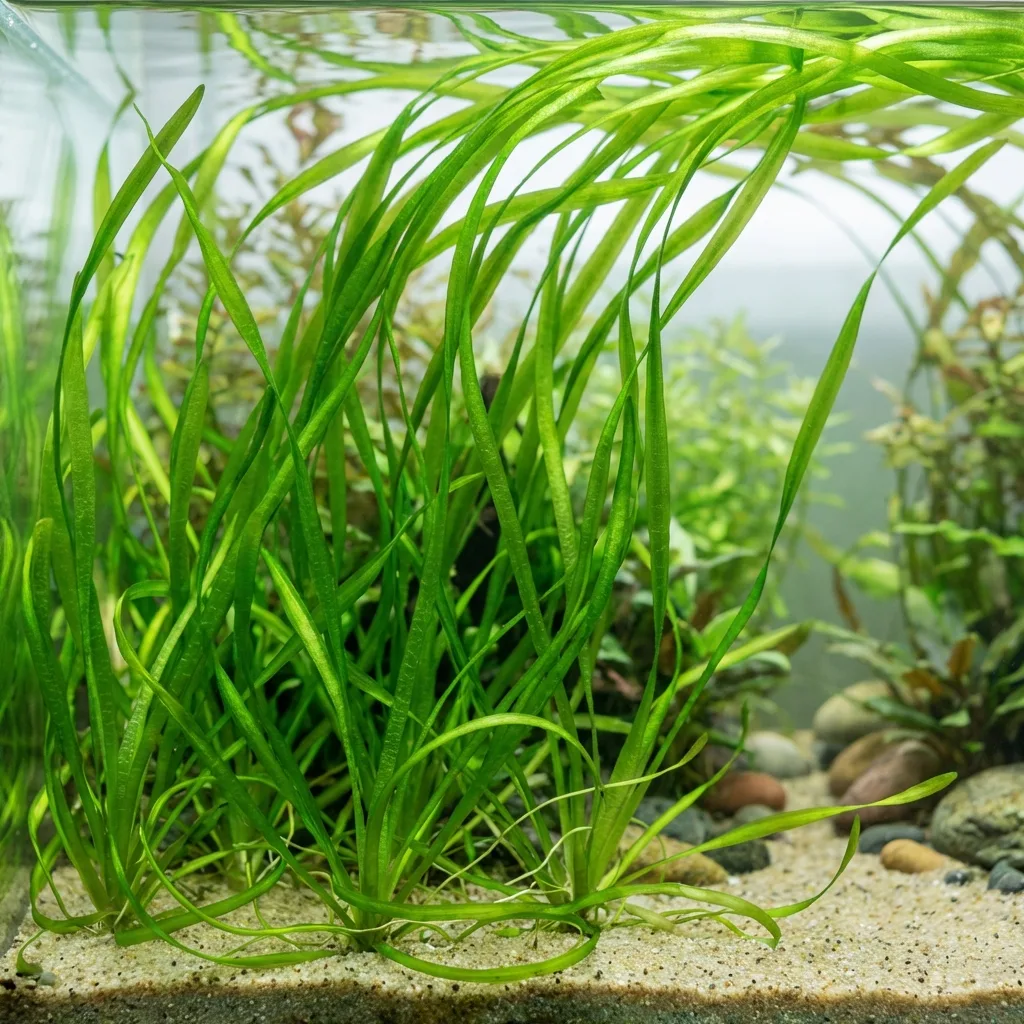
Vallisneria Spiralis
Grass-like background plant that spreads via runners. Hardy, tolerates hard water. Creates natural look.
or

Ludwigia Repens
Easy red stem plant for beginners. Develops deeper red color with stronger lighting. Fast grower.
to outcompete algae for nutrients
- Reduce feeding amounts if you've been overfeeding
- Keep the aquarium away from direct sunlight
- Maintain regular water change schedules (20-30% weekly)
- Test and maintain proper nutrient levels
UV sterilizers are highly effective against green water algae but address the symptom rather than the root cause.
Cause 4: Overfeeding and Organic Waste Buildup
What It Looks Like
A general haziness or slight yellowing of the water, often accompanied by visible debris floating in the water column or accumulating on surfaces. You may notice an unpleasant odour.
Why It Happens
Excess food, fish waste, decaying plant matter, and other organic materials break down in the water, creating a nutrient-rich environment where heterotrophic bacteria multiply rapidly. These bacteria, along with dissolved organic compounds, create a cloudy appearance.
The Solution
Assess your feeding practices:
- Feed only what your fish can consume in 2-3 minutes
- Use high-quality foods like
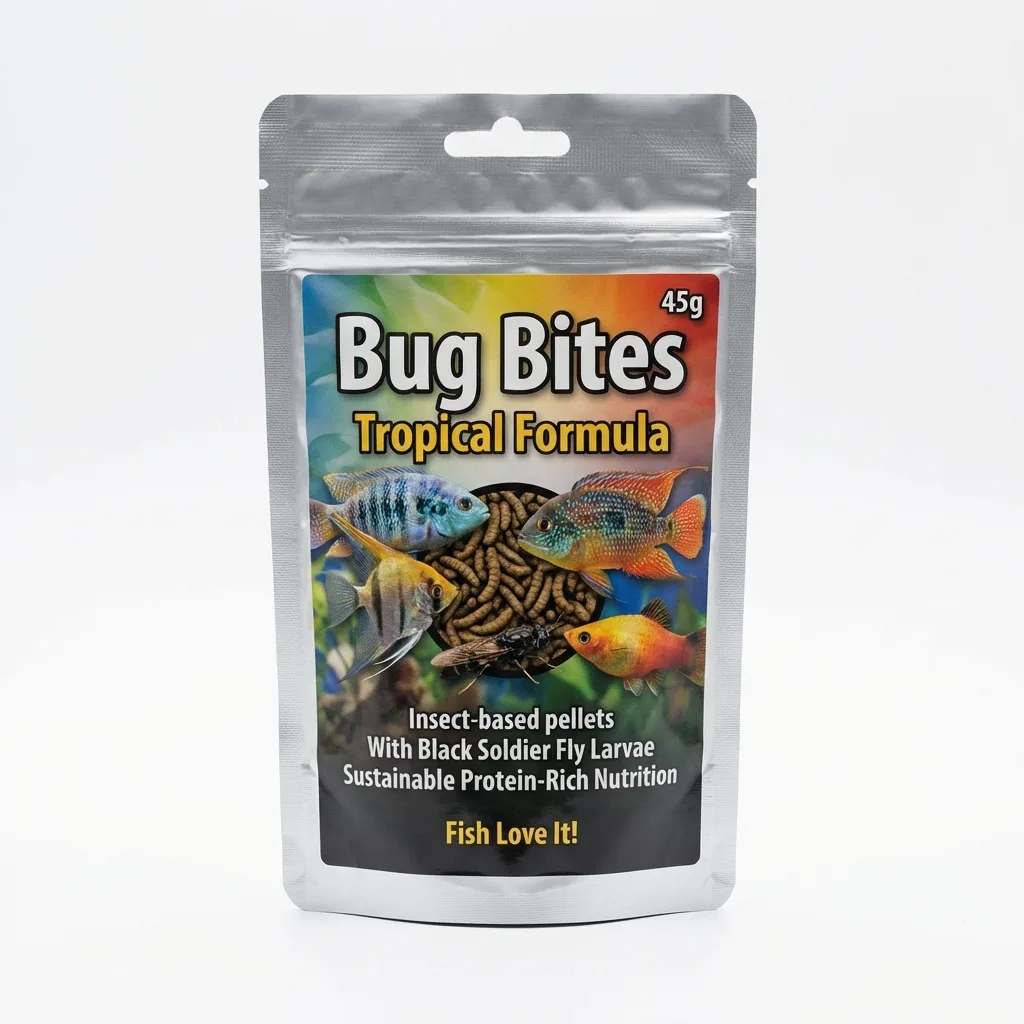
Bug Bites Tropical Formula 45g
Insect-based pellets using Black Soldier Fly larvae. Sustainable, protein-rich, fish love it.
that produce less waste
- Skip feeding one day per week to allow the system to process accumulated waste
Improve maintenance routines:
- Increase water change frequency temporarily (30-40% twice weekly until cleared)
- Use a gravel vacuum during water changes to remove debris from the substrate
- Clean filter media (in old tank water, never tap water)
- Remove dead plant leaves and uneaten food promptly
- Consider adding chemical filtration with products like
Seachem Purigen 100ml
Premium synthetic adsorption resin. Removes organic waste, polishes water to crystal clarity.
to remove dissolved organics
Enhance biological filtration:
- Ensure your filter is appropriately sized for your tank volume
- Add supplemental beneficial bacteria if needed
- Increase surface agitation to improve oxygen levels
Cause 5: Filter Problems and Inadequate Water Flow
What It Looks Like
Persistent cloudiness that doesn't clear despite water changes, often with dead spots in the tank where debris accumulates.
Why It Happens
If your filtration system is undersized, clogged, or malfunctioning, it cannot adequately process waste and maintain water clarity. Poor water circulation allows particles to remain suspended and creates areas where waste accumulates and decomposes.
The Solution
Evaluate your filtration:
- Ensure your filter's flow rate is appropriate (aim for 4-6 times tank volume per hour)
- Check that all filter components are working correctly
- Clean or replace clogged filter media
- Consider upgrading to a more powerful filter if necessary
Optimize filter media:
- Use a layered approach: mechanical (to trap particles), biological (to process waste), and chemical (to remove dissolved compounds)
- Replace mechanical media more frequently during cloudy periods
- Avoid replacing all media at once; maintain established biological filtration
Improve circulation:
- Position filter outlets to create good water movement throughout the tank
- Eliminate dead spots where debris accumulates
- Ensure there are no obstacles blocking water flow
Prevention: Maintaining Crystal-Clear Water Long-Term
Once you've resolved your cloudy water issue, maintaining clarity is much easier than restoring it:
- Establish a consistent maintenance schedule: Regular 20-30% water changes weekly, monthly filter cleaning, and periodic testing
- Stock appropriately: Don't overstock your aquarium; more fish means more waste
- Feed responsibly: Quality over quantity, and only what's consumed quickly
- Maintain adequate filtration: Don't skimp on filter quality or size
- Monitor water parameters: Regular testing helps catch problems before they become visible
- Keep live plants: They compete with algae and help process waste naturally
- Control lighting: Consistent photoperiods prevent algae blooms
When to Seek Additional Help
While most cases of cloudy water resolve with the solutions outlined above, persistent issues despite proper intervention may indicate:
- Underlying water quality problems (test thoroughly with a comprehensive kit)
- Overstocking or inadequate filtration for your bioload
- Water source issues (high phosphates or other contaminants in tap water)
- Disease or parasitic problems (though cloudy water itself is rarely disease-related)
If cloudiness persists beyond two weeks despite addressing the likely causes, consider consulting with experienced aquarists or bringing a water sample to your local aquarium shop for testing and advice.
Conclusion
Cloudy aquarium water, while frustrating, is almost always fixable once you correctly identify the cause. Whether you're dealing with a temporary bacterial bloom in a new tank, particulate matter from substrate disturbance, an algae explosion, excess organic waste, or filtration issues, the solutions are straightforward and effective.
Remember that patience is often your best tool. Many types of cloudiness resolve naturally as your aquarium ecosystem stabilizes. Combined with proper maintenance practices, appropriate filtration, and mindful stocking and feeding habits, you can maintain crystal-clear water that showcases your fish and plants beautifully.
For more troubleshooting advice and quality aquarium equipment, visit {{shop_url}} or contact us at {{contact_email}}.