
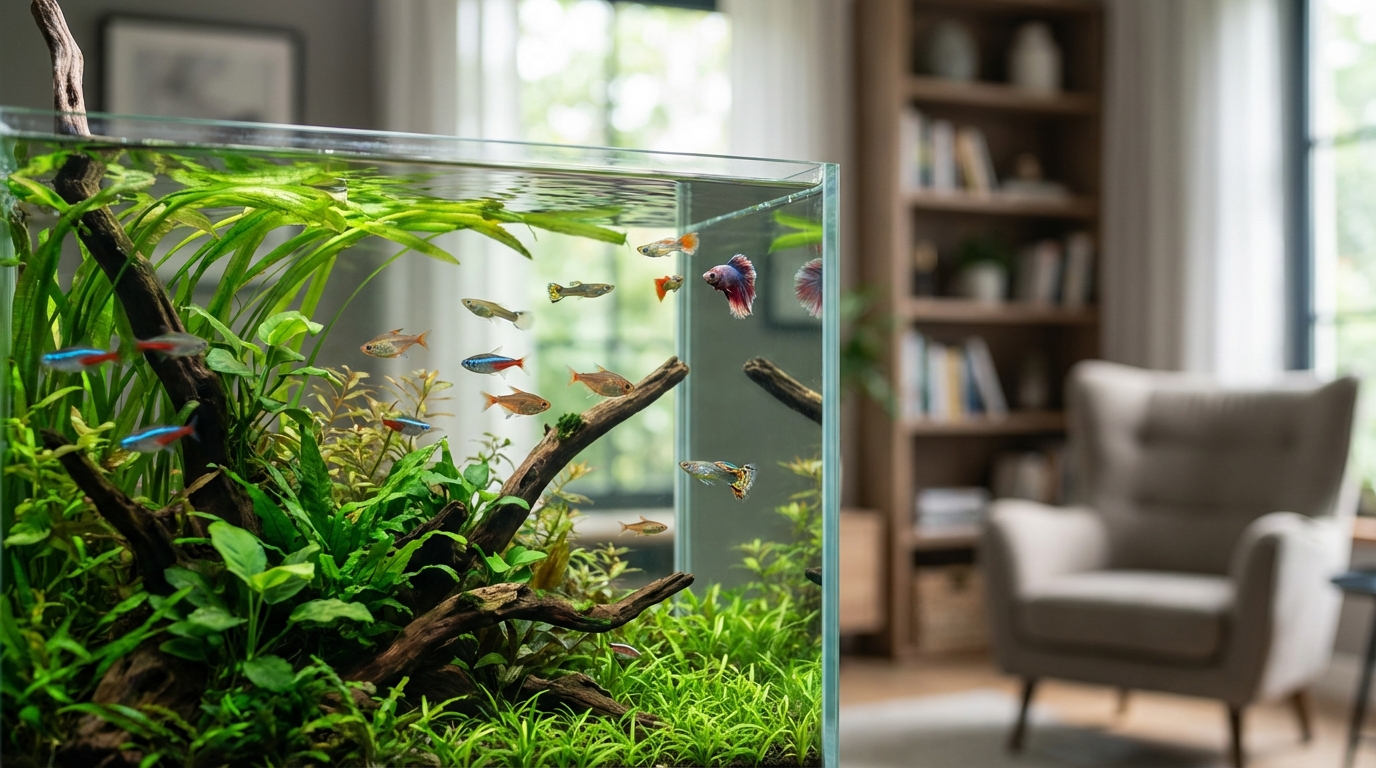
How to Choose Your First Fish: 9 Beginner-Friendly Species Ranked by Care Difficulty
Choosing your first aquarium fish is one of the most exciting—and potentially overwhelming—decisions you'll make as a new aquarist. While the colourful displays at your local fish shop might tempt you to stock your tank immediately, selecting the right species can mean the difference between a thriving aquarium and a frustrating experience.
This comprehensive guide ranks nine beginner-friendly species by care difficulty, helping you make an informed decision that sets you up for long-term success. We'll examine their temperament, water requirements, tank size needs, and compatibility with other fish.
Understanding Care Difficulty Levels
Before we dive into specific species, it's important to understand what makes a fish "beginner-friendly." The easiest species typically share these characteristics:
- Tolerance for water parameter fluctuations: Forgiving of minor pH and temperature variations
- Hardy constitution: Resistant to common diseases and stress
- Peaceful temperament: Compatible with other community fish
- Readily available: Easy to source from reputable suppliers
- Accepts common foods: Not requiring specialized diets
Essential Equipment Before You Stock
Regardless of which species you choose, ensure your aquarium is properly cycled and equipped. A quality tank like the
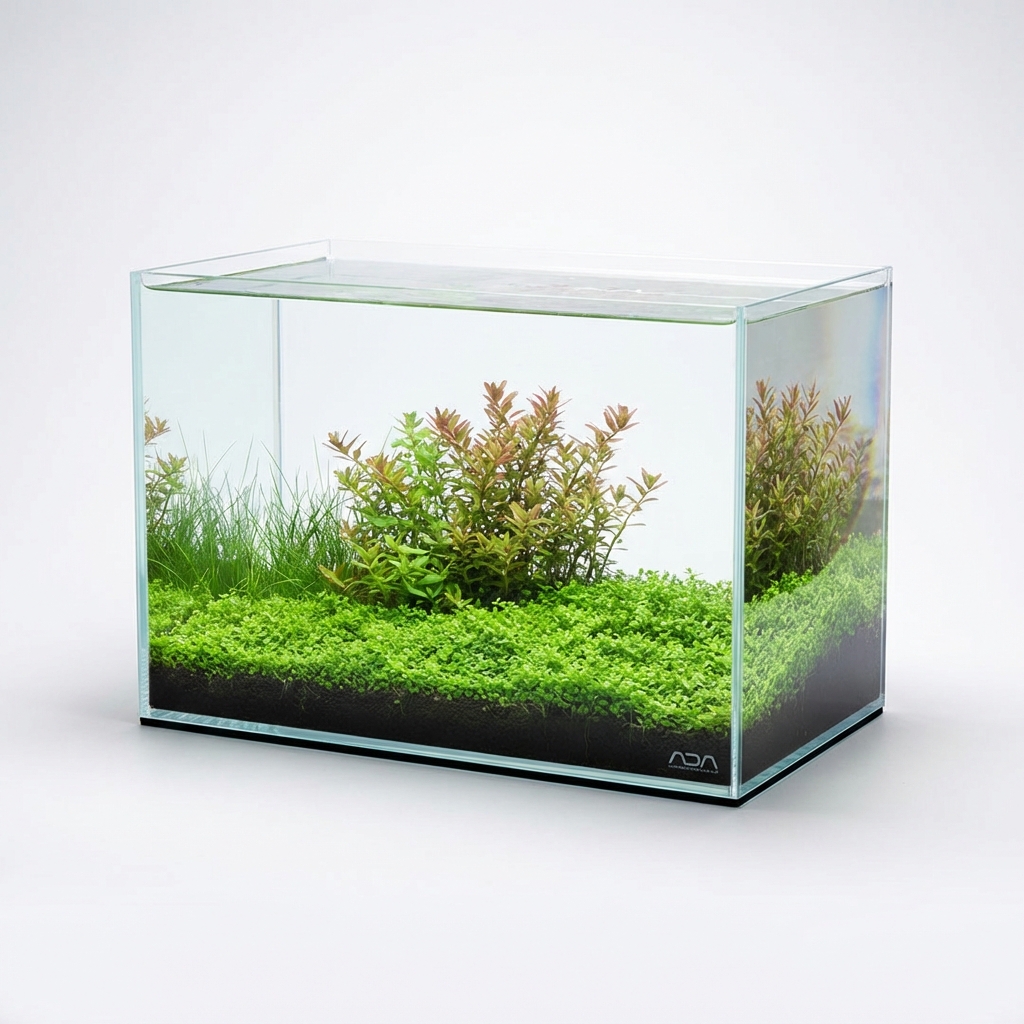
ADA Cube Garden 60-P (60x30x36cm)
Ultra-clear low-iron glass aquarium by Aqua Design Amano. 60cm flagship, the aquascaping standard.
provides excellent dimensions for most beginner species, while the
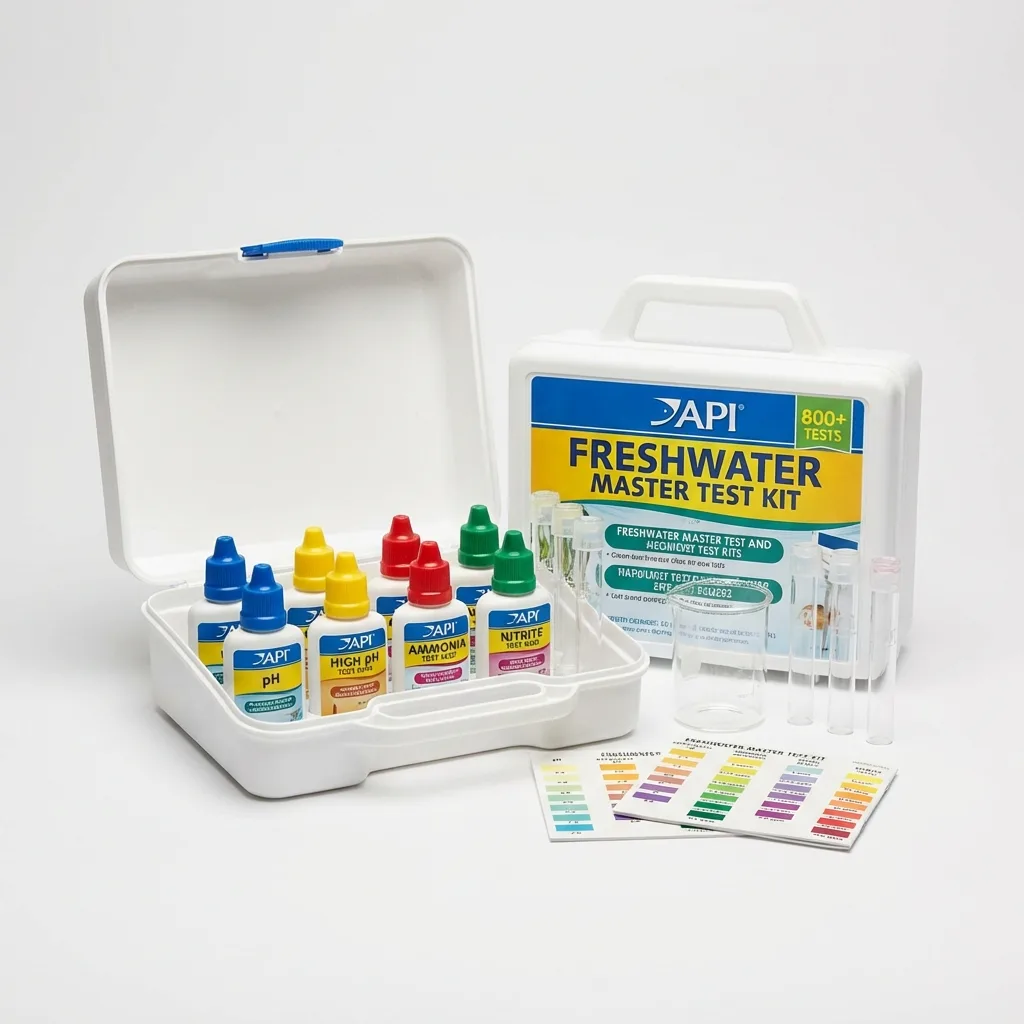
API Master Test Kit (Freshwater)
Complete liquid test kit: pH, High pH, Ammonia, Nitrite, Nitrate. 800+ tests per kit.
is absolutely essential for monitoring your water parameters during the critical first months.
The 9 Best Beginner Fish, Ranked by Difficulty
1. White Cloud Mountain Minnow (Easiest)
Difficulty Level: 1/10
The White Cloud Mountain Minnow deserves the top spot as arguably the most forgiving freshwater fish for beginners. Native to mountain streams in China, these small, peaceful fish tolerate a remarkable temperature range (15-25°C), making them suitable even for unheated tanks in temperate climates.
Key Care Requirements:
- Minimum tank size: 40 litres
- Temperature: 15-25°C
- pH: 6.0-8.0
- Group size: 6+ individuals
- Diet: Flake food, micro pellets, frozen foods
Why They're Perfect for Beginners: White Clouds are incredibly resilient, accepting almost any water conditions within reasonable limits. They're active swimmers that occupy the middle water column, adding movement to your aquarium. Their peaceful nature makes them excellent community fish, and they breed readily even in community settings.
2. Zebra Danio (Extremely Easy)
Difficulty Level: 1.5/10
The
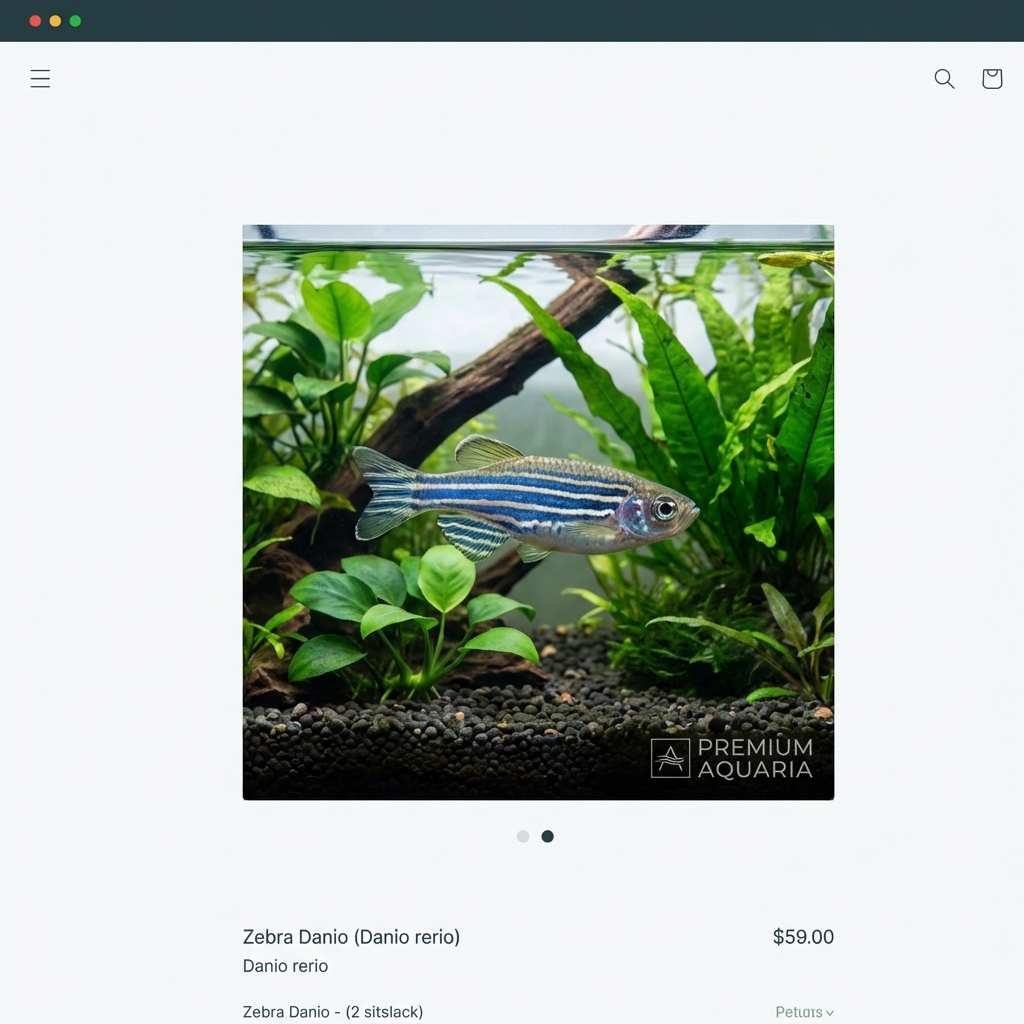
Zebra Danio (Danio rerio)
Bold horizontal blue and silver stripes make this fish instantly recognizable and highly appealing. Zebra Danios are amo...
is another bulletproof choice for newcomers. These energetic, striped fish are among the hardiest species in the hobby and were actually the first tropical fish to be genetically sequenced due to their importance in research.
Key Care Requirements:
- Minimum tank size: 60 litres
- Temperature: 18-25°C
- pH: 6.5-7.5
- Group size: 6+ individuals
- Diet: Flake food, small pellets, frozen foods
Why They're Perfect for Beginners: Zebra Danios are nearly indestructible and highly active, making them entertaining to watch. They're fast swimmers, so they need horizontal swimming space, but they adapt to various water conditions. Their bold nature means they'll readily accept food, helping you learn proper feeding techniques without worry.
3. Cherry Barb (Very Easy)
Difficulty Level: 2/10
The
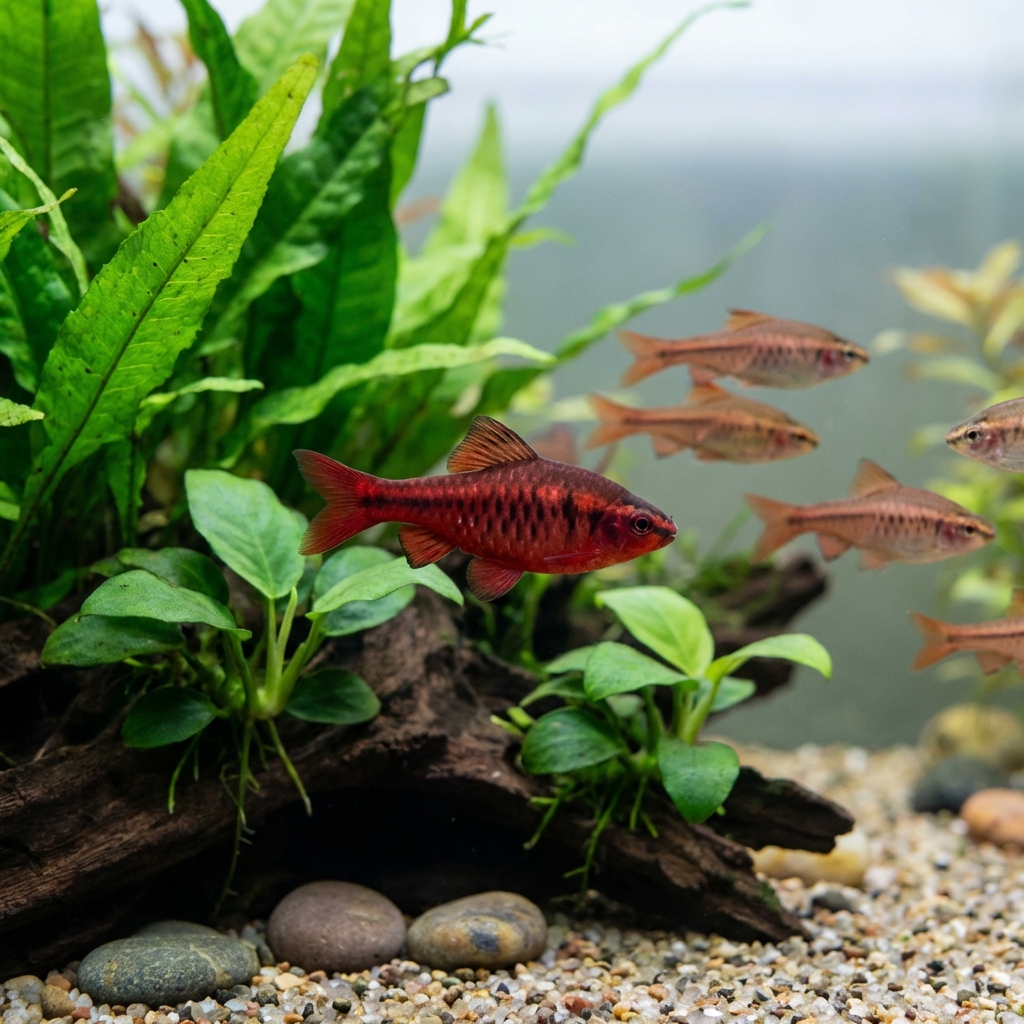
Cherry Barb
Hardy and colorful barb with deep red males. Peaceful schooling fish, beginner-friendly.
brings vibrant red colouration to your aquarium without demanding specialist care. Males develop stunning crimson hues when in breeding condition, while females maintain a more subtle peachy tone.
Key Care Requirements:
- Minimum tank size: 60 litres
- Temperature: 23-27°C
- pH: 6.0-7.5
- Group size: 6+ individuals (more females than males)
- Diet: Flake food, small pellets, blanched vegetables
Why They're Perfect for Beginners: Cherry Barbs are peaceful, hardy, and less boisterous than many other barb species. They're excellent for planted tanks and won't harass slower-moving tankmates. They accept a wide variety of foods and rarely fall ill when proper water conditions are maintained.
4. Corydoras Catfish (Easy)
Difficulty Level: 3/10
Bottom-dwelling Corydoras are essential members of most community aquariums. The
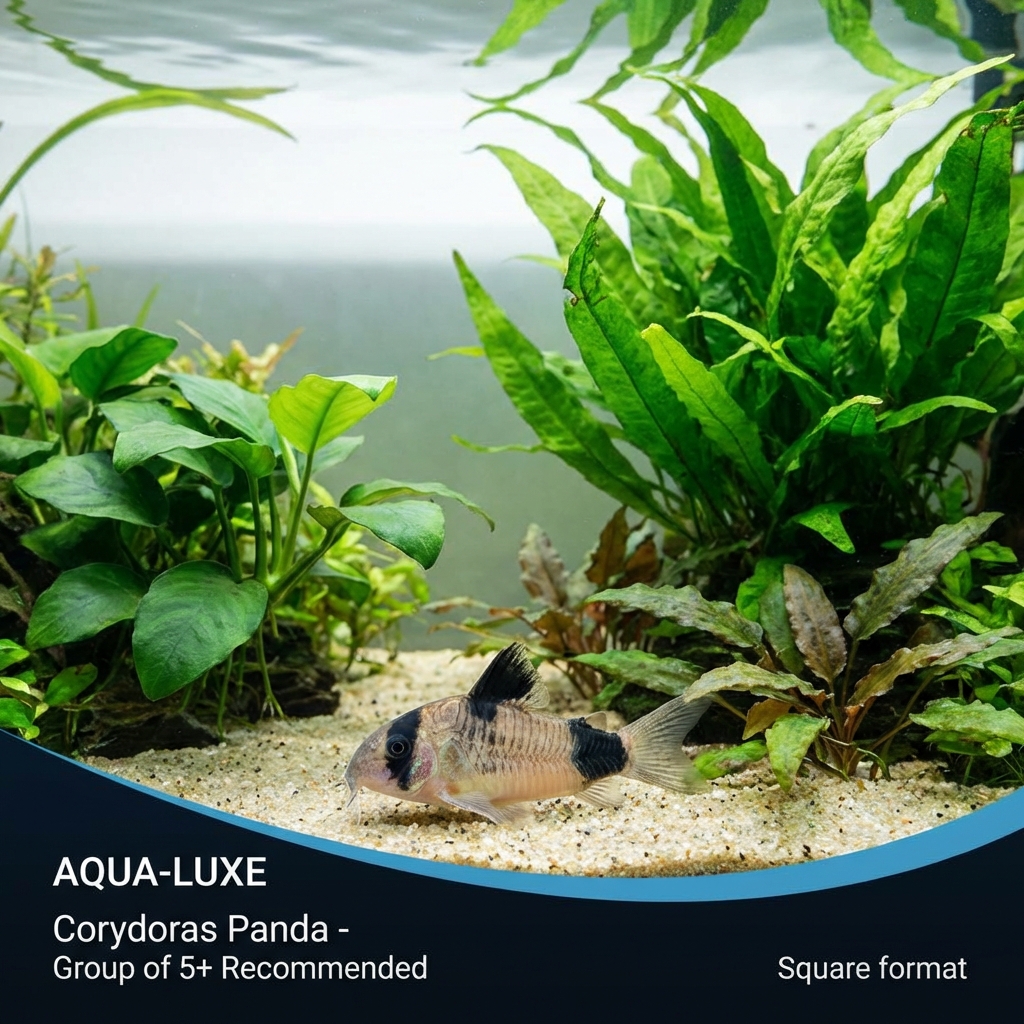
Corydoras Panda
Adorable bottom-dwelling catfish with panda-like markings. Keep in groups of 5+, great tank cleaners.
is particularly popular for its distinctive black-and-white markings, though any Corydoras species makes an excellent beginner choice.
Key Care Requirements:
- Minimum tank size: 60 litres
- Temperature: 22-26°C
- pH: 6.5-7.5
- Group size: 6+ individuals
- Diet: Sinking pellets, frozen foods, algae wafers
Why They're Perfect for Beginners: Corydoras are peaceful, social, and help keep your substrate clean by scavenging leftover food. They're hardy and entertaining to watch as they "walk" across the bottom on their pectoral fins. However, they do require sandy or smooth substrate to protect their delicate barbels, which adds a minor consideration compared to the top three species.
5. Platy (Easy to Moderate)
Difficulty Level: 3.5/10
Platys are colourful livebearers that come in numerous colour varieties. They're robust fish that breed readily—sometimes too readily for beginners.
Key Care Requirements:
- Minimum tank size: 60 litres
- Temperature: 20-26°C
- pH: 7.0-8.0
- Group size: 3+ (2 females per male to reduce harassment)
- Diet: Flake food, vegetable matter, frozen foods
Why They're Good for Beginners: Platys are hardy and peaceful, adapting well to various water conditions. They prefer slightly alkaline water, making them suitable for harder water areas. The main consideration is population control—they breed prolifically, and you'll need a plan for offspring.
6. Neon Tetra (Moderate)
Difficulty Level: 4/10
The
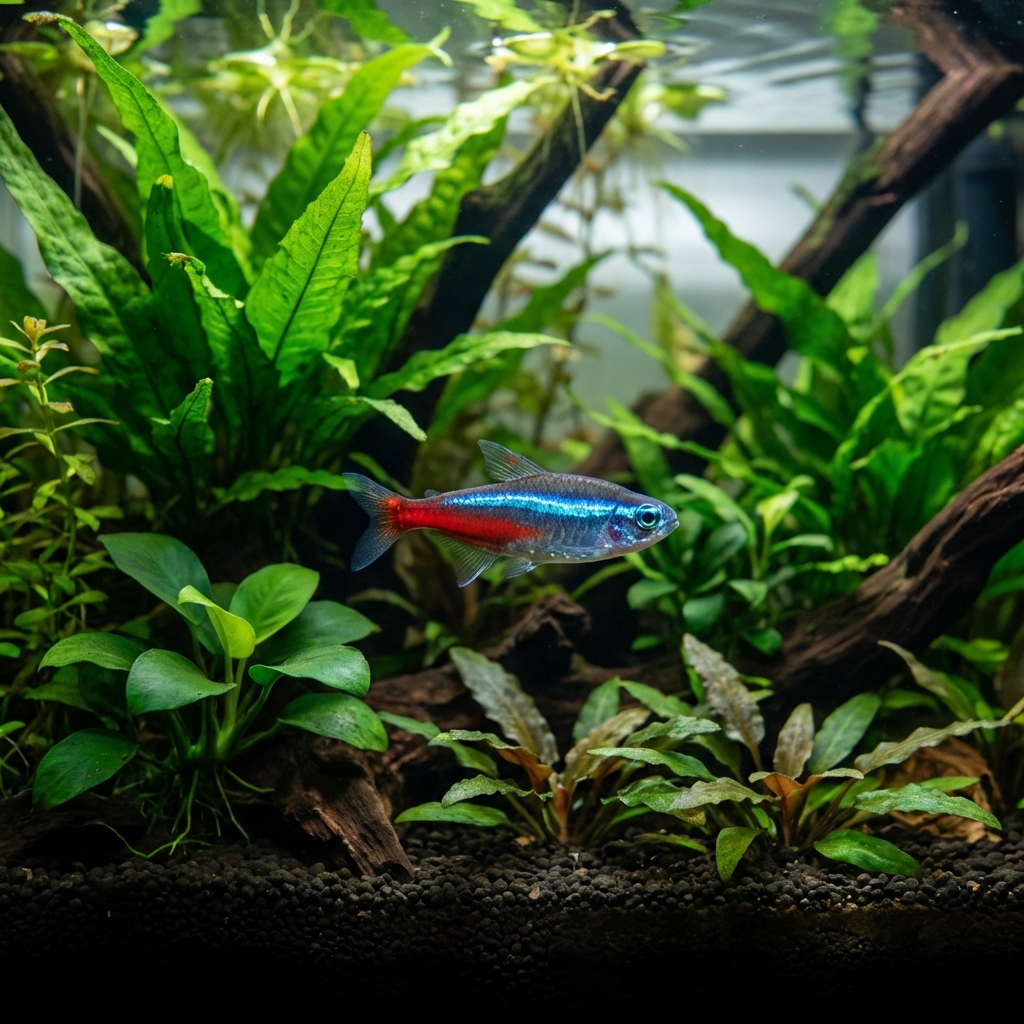
Neon Tetra
Classic schooling fish with iridescent blue and red stripe. Best kept in groups of 8+. Peaceful community fish.
is arguably the most iconic aquarium fish, with its electric blue stripe and red patch creating stunning shoaling displays. While they're widely kept by beginners, they require more stable conditions than the species listed above.
Key Care Requirements:
- Minimum tank size: 60 litres
- Temperature: 20-24°C
- pH: 6.0-7.0
- Group size: 10+ individuals
- Diet: Micro pellets, flake food, frozen foods
Why They're Moderate Difficulty: Neons are sensitive to water quality fluctuations and should only be added to fully cycled, mature aquariums (at least 4-6 weeks old). They're prone to "neon tetra disease," a parasitic infection that can devastate a shoal. However, once established in stable conditions, they're relatively easy to maintain and create breathtaking displays.
7. Guppy (Moderate)
Difficulty Level: 4.5/10
Guppies are beloved for their spectacular finnage and vibrant colours. Males display elaborate caudal fins that come in countless patterns and colour combinations.
Key Care Requirements:
- Minimum tank size: 50 litres
- Temperature: 22-28°C
- pH: 7.0-8.0
- Group size: 3+ (2-3 females per male)
- Diet: Flake food, frozen foods, vegetable matter
Why They're Moderate Difficulty: While guppies are hardy, they're prone to genetic issues from inbreeding, particularly fancy varieties. They breed extremely prolifically, requiring population management. Males can be persistent in pursuing females, potentially causing stress. They're also susceptible to fin rot if water quality deteriorates. However, their personality and beauty make them rewarding fish for attentive beginners.
8. Honey Gourami (Moderate to Challenging)
Difficulty Level: 5/10
The
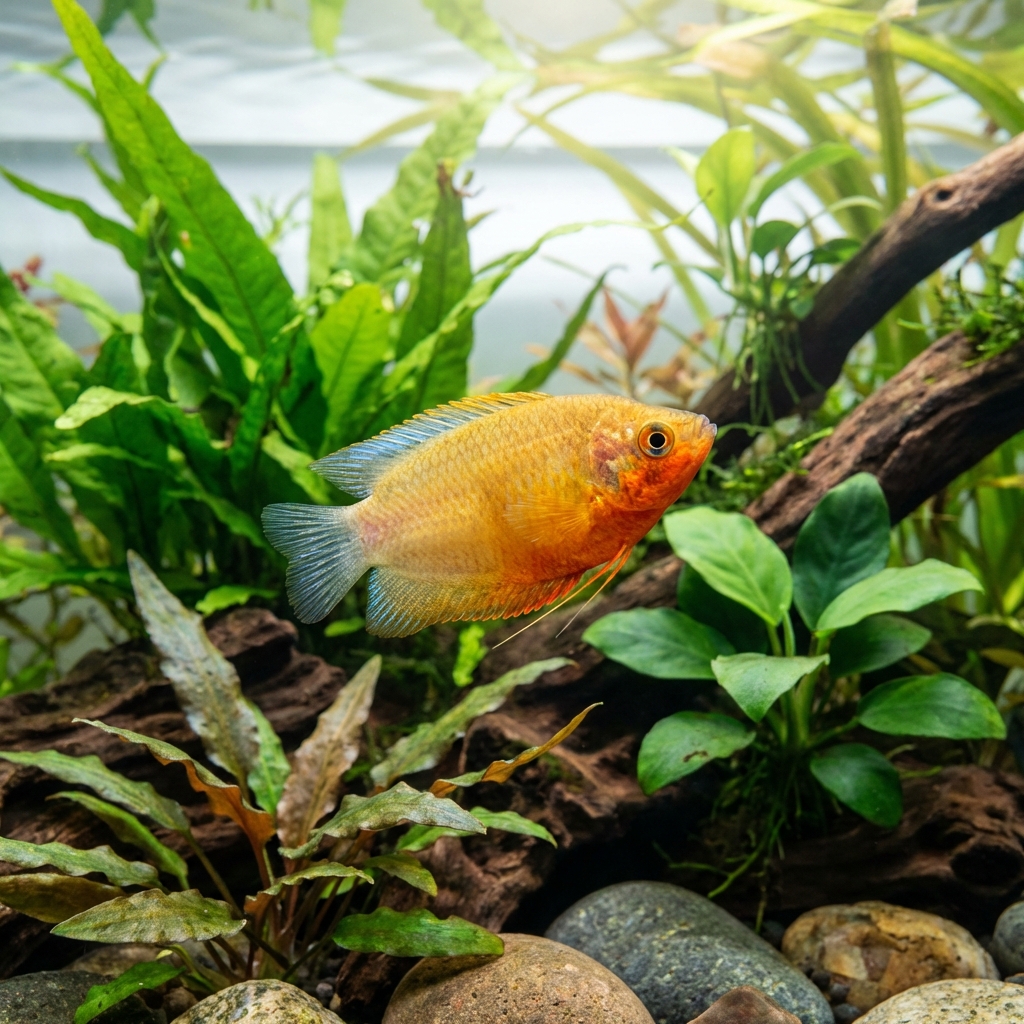
Honey Gourami (Trichogaster chuna)
A small, gentle labyrinth fish with warm honey-gold coloration that intensifies to fiery orange during breeding. Males d...
is a peaceful, small gourami species that makes an excellent centrepiece fish for community tanks. Males develop gorgeous golden-orange colouration during breeding.
Key Care Requirements:
- Minimum tank size: 60 litres
- Temperature: 24-28°C
- pH: 6.0-7.5
- Group size: 1 male with 2-3 females, or single specimen
- Diet: Flake food, frozen foods, small insects
Why They're More Challenging: Honey Gouramis require warmer, more stable temperatures than many beginner fish. They're somewhat shy and can be outcompeted for food by more boisterous species. They benefit from planted tanks with floating vegetation. Additionally, many "honey gouramis" in shops are actually dyed or crossbred specimens—sourcing genuine, healthy stock requires more research.
9. German Blue Ram (Challenging for Beginners)
Difficulty Level: 6/10
The
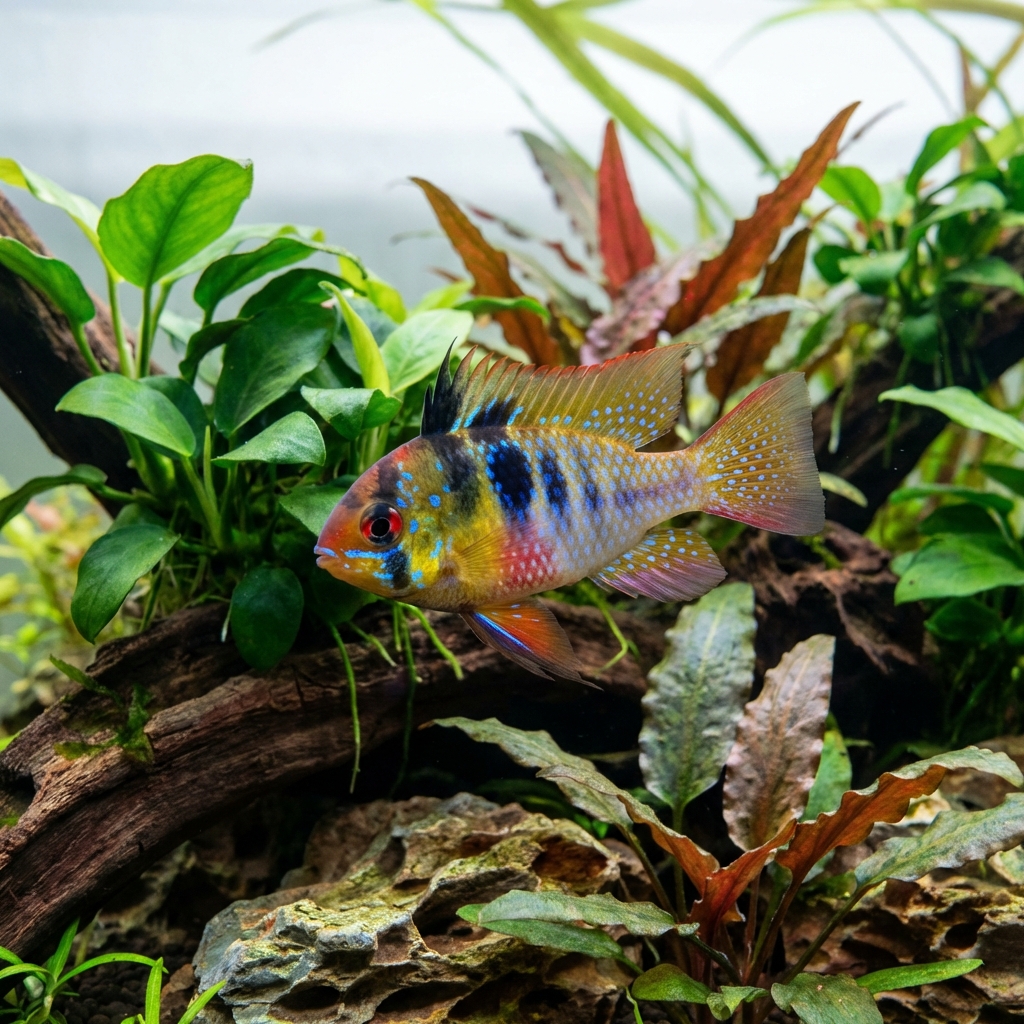
German Blue Ram
Stunning dwarf cichlid with electric blue markings. Peaceful temperament, pairs bond for life.
is a stunning dwarf cichlid with electric blue and gold colouration. While not impossibly difficult, they're at the upper limit of what beginners should attempt.
Key Care Requirements:
- Minimum tank size: 80 litres for a pair
- Temperature: 27-30°C
- pH: 6.0-7.0
- Group size: Pairs or single specimens
- Diet: High-protein foods, frozen bloodworms, small pellets
Why They're Challenging: German Blue Rams require very warm, soft, acidic water—conditions that many beginners struggle to maintain consistently. They're sensitive to water quality and prone to parasitic infections. They can be territorial, particularly when breeding, requiring careful tankmate selection. They also need a mature aquarium with established biological filtration. However, for patient beginners willing to research and maintain precise conditions, they're incredibly rewarding.
Setting Up for Success
Regardless of which species you choose, your success depends on proper aquarium setup and maintenance:
Water Quality is Paramount
Invest in quality filtration and test your water parameters regularly. The cycling process must be completed before adding any fish—this typically takes 4-6 weeks.
Start Small, Add Gradually
Begin with a small group of a single species. Once they're thriving after 4-6 weeks, you can gradually add compatible species. Never stock your entire aquarium at once.
Research Compatibility
Ensure any species you combine have similar temperature, pH, and social requirements. Fast-swimming danios, for example, may stress slower, more timid species.
Provide Appropriate Environment
Most beginner fish appreciate planted tanks with hiding spots. Plants like
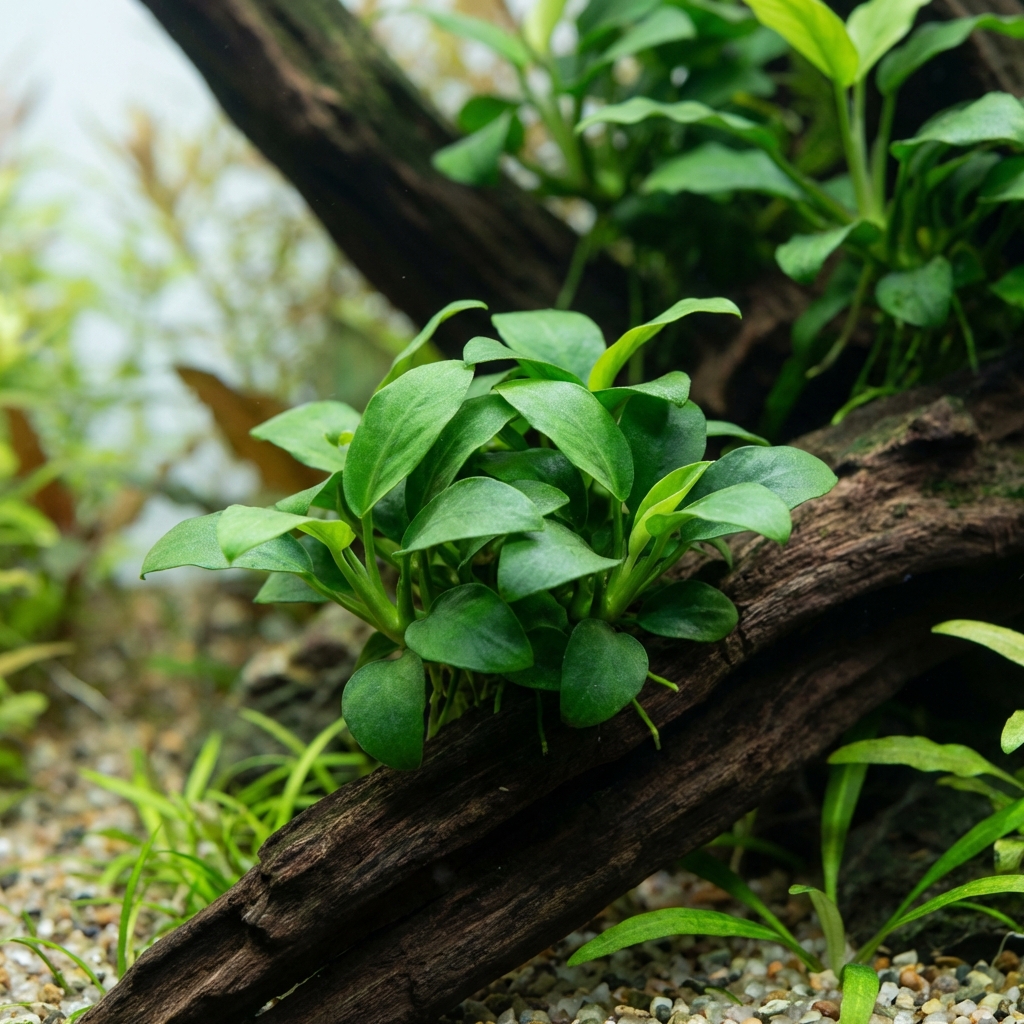
Anubias Barteri var. Nana
Compact slow-growing plant, perfect for foreground. Attach to hardscape, extremely low maintenance.
and
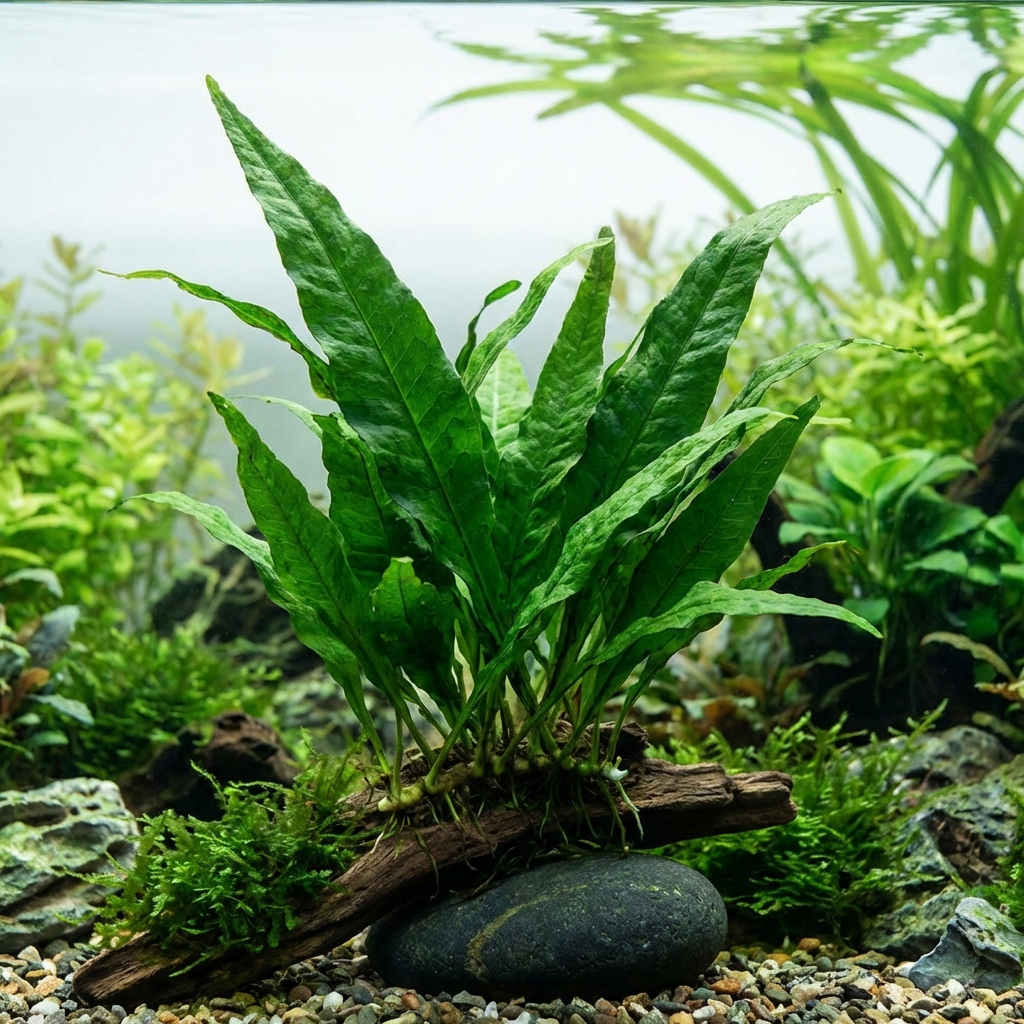
Java Fern (Microsorum pteropus)
Classic epiphyte plant, attach to rocks or wood. Extremely hardy, thrives in low light. Do not bury rhizome.
are hardy and suitable for beginners.
Common Mistakes to Avoid
Overstocking: More fish means more waste and less stable water chemistry. Follow the rough guideline of 1cm of adult fish per litre of water, though this varies by species.
Inadequate Group Sizes: Shoaling fish like tetras and danios need groups of 6-10+ to feel secure and display natural behaviours.
Impulse Purchases: Research any fish before buying. That cute baby pleco might grow to 45cm.
Skipping Quarantine: When possible, quarantine new fish for 2-4 weeks to prevent introducing diseases to your established tank.
Incompatible Species: Don't mix aggressive territorial fish with peaceful community species, or tropical fish with coldwater species.
Your First Community Tank: A Sample Stocking
For a 60-litre aquarium (like the
ADA Cube Garden 60-P (60x30x36cm)
Ultra-clear low-iron glass aquarium by Aqua Design Amano. 60cm flagship, the aquascaping standard.
), consider this bulletproof beginner community:
- 8-10 Zebra Danios (upper water column)
- 6-8 Cherry Barbs (middle water column)
- 6 Corydoras Panda (bottom dwellers)
This combination provides activity throughout the tank, with compatible temperature and pH requirements (23-25°C, pH 6.5-7.5). All three species are hardy, peaceful, and entertaining to observe.
Final Thoughts
Choosing your first fish should be guided by research rather than impulse. The species ranked 1-4 in this guide offer the best chance of success for absolute beginners, while species 5-9 are achievable with slightly more attention to water parameters and tank maintenance.
Remember that every fish deserves proper care regardless of its price or "beginner" status. Start with hardy species, master the fundamentals of aquarium keeping, and gradually work toward more demanding species as your experience grows. The patience you invest now will reward you with years of enjoyment from your aquatic hobby.
Welcome to the wonderful world of fishkeeping—your journey starts with making informed choices that benefit both you and your future aquatic companions.