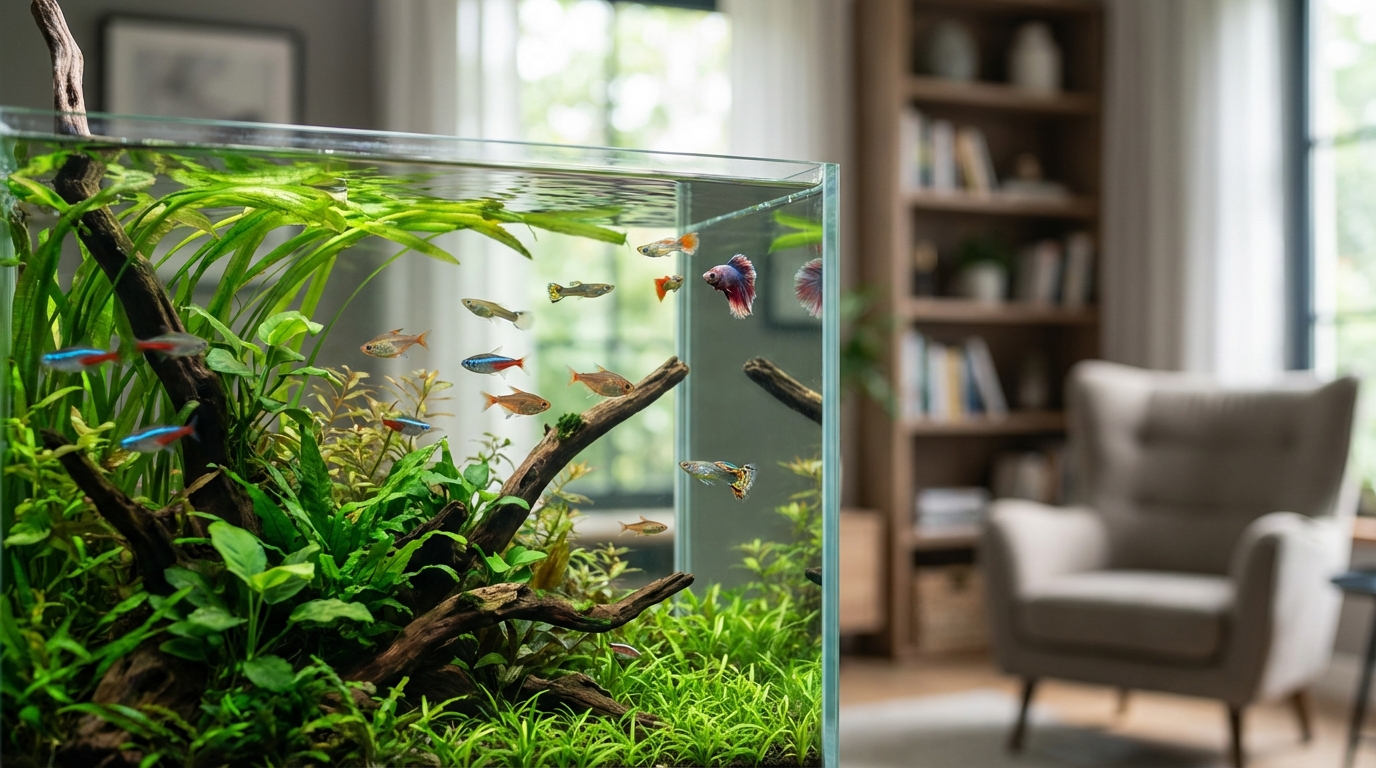
The Complete Guide to Cycling Your First Aquarium: A Step-by-Step Timeline
Starting your first aquarium is an exciting journey, but one of the most crucial steps—and often the most misunderstood—is the cycling process. Aquarium cycling establishes beneficial bacteria colonies that convert toxic waste into safer compounds, creating a stable environment for your future fish. Rushing this process is the number one reason new aquariums fail. This comprehensive guide will walk you through each stage of cycling, helping you understand what's happening and when your tank will be ready for inhabitants.
What Is Aquarium Cycling?
Aquarium cycling refers to establishing the nitrogen cycle in your tank. When fish produce waste (and when uneaten food decomposes), it releases ammonia—a highly toxic compound. Beneficial bacteria convert ammonia into nitrite (still toxic), and then another bacterial colony converts nitrite into nitrate (relatively harmless in low concentrations). This biological filtration system is essential for any healthy aquarium.
Without these bacterial colonies, ammonia and nitrite levels spike, causing "new tank syndrome" that can stress or kill fish within days. Cycling your aquarium before adding fish gives these beneficial bacteria time to establish, creating a safe environment from day one.
Before You Begin: Essential Setup
Before starting the cycling process, ensure your aquarium is properly set up:
Choose Your Tank
Select an appropriately sized aquarium for your space and goals. The
ADA Cube Garden 60-P (60x30x36cm)
Ultra-clear low-iron glass aquarium by Aqua Design Amano. 60cm flagship, the aquascaping standard.
offers an excellent starting point for beginners, providing 64 litres of water volume—large enough to maintain stable parameters but manageable for maintenance.
Install Equipment
- Filter: Your filter houses the beneficial bacteria, making it the heart of your cycling process. The
Eheim Classic 250 External Filter
Legendary reliability for 80-250L tanks. Quiet operation, includes all media. Industry standard.
provides excellent biological filtration capacity for tanks up to 250 litres.
- Heater: Maintain a stable temperature between 24-26°C to encourage bacterial growth
- Substrate: Add substrate before filling with water.
Tropica Aquarium Soil (9L)
Active substrate that lowers pH and provides nutrients. Ready to use, no rinsing needed.
provides excellent buffering and supports plant growth if you plan a planted tank
- Decorations: Add hardscape (rocks, driftwood) during initial setup
Fill and Dechlorinate
Fill your tank with tap water and treat it with a water conditioner to remove chlorine and chloramine, which kill beneficial bacteria. Add your heater and set the temperature to 25°C.
The Cycling Timeline: Week by Week
Week 1: Establishing Ammonia (Days 1-7)
The first week focuses on introducing an ammonia source to kickstart bacterial colonization.
What to do:
- Add an ammonia source: You have several options:
- Pure ammonia (available at pharmacies): Add until you reach 2-4 ppm
- Fish food method: Add a pinch of fish flakes daily
- Bacteria starter culture: Products like
Seachem Stability 250ml
Concentrated beneficial bacteria for new tank cycling. Establishes biofilter fast and safely.
introduce beneficial bacteria directly
- Test your water: Using the
API Master Test Kit (Freshwater)
Complete liquid test kit: pH, High pH, Ammonia, Nitrite, Nitrate. 800+ tests per kit.
, test ammonia, nitrite, and nitrate levels daily. Record your results.
- Run your filter continuously: Never turn off your filter during cycling—bacteria need constant oxygen flow.
What's happening: Bacteria spores present in the air and water begin colonizing surfaces in your tank, particularly in your filter media. Ammonia levels should rise to 2-4 ppm and remain stable.
Expected readings:
- Ammonia: 2-4 ppm
- Nitrite: 0 ppm
- Nitrate: 0 ppm
Week 2: The Nitrite Spike (Days 8-14)
During the second week, you'll notice significant changes as the first bacterial colony establishes.
What to do:
- Continue daily testing: Monitor all parameters closely
- Maintain ammonia levels: If using pure ammonia, add more when levels drop below 2 ppm
- Keep temperature stable: Bacterial growth slows if temperature fluctuates
- Be patient: Don't add fish yet, even if ammonia drops
What's happening: Nitrosomonas bacteria (which convert ammonia to nitrite) are multiplying rapidly. As they consume ammonia, nitrite levels begin rising—often dramatically. This "nitrite spike" is a positive sign that cycling is progressing.
Expected readings:
- Ammonia: Dropping from 4 ppm to 1-2 ppm
- Nitrite: Rising from 0 to 2-5+ ppm
- Nitrate: Beginning to appear (0.5-5 ppm)
Week 3: Nitrite Peak and Decline (Days 15-21)
Week three is often the most challenging period, with nitrite levels potentially reaching toxic concentrations.
What to do:
- Continue testing daily: Nitrite may reach very high levels (5-10+ ppm)
- Don't panic: High nitrite readings are normal and expected
- Avoid water changes: Unless nitrite exceeds 15 ppm, let the process continue
- Add small ammonia doses: Continue feeding the ammonia-consuming bacteria
What's happening: Nitrobacter bacteria (which convert nitrite to nitrate) are now establishing. Initially, they can't keep pace with nitrite production, causing levels to spike. As their population grows, they begin consuming nitrite faster, and levels start declining.
Expected readings:
- Ammonia: 0.5-1 ppm (still being processed quickly)
- Nitrite: Peak at 5-10+ ppm, then beginning to decline
- Nitrate: Rising steadily (10-40 ppm)
Week 4: Approaching Completion (Days 22-28)
By week four, you're approaching a cycled tank, but patience remains crucial.
What to do:
- Test daily: Watch for both ammonia and nitrite to reach 0 ppm
- Add full ammonia dose: Once both read 0 ppm, add enough ammonia to reach 2-4 ppm
- Wait 24 hours and retest: A fully cycled tank processes 2-4 ppm ammonia to 0 ammonia and 0 nitrite within 24 hours
- Perform a water change: Once cycled, do a 50% water change to reduce nitrate levels
What's happening: Both bacterial colonies are now established and working efficiently. They can process ammonia into nitrate quickly, with minimal ammonia or nitrite accumulation.
Expected readings (cycle complete):
- Ammonia: 0 ppm (even 24 hours after dosing)
- Nitrite: 0 ppm (even 24 hours after dosing)
- Nitrate: 40-80 ppm (before water change)
Testing and Monitoring
Accurate testing is essential throughout the cycling process. The
API Master Test Kit (Freshwater)
Complete liquid test kit: pH, High pH, Ammonia, Nitrite, Nitrate. 800+ tests per kit.
provides liquid reagent tests for ammonia, nitrite, nitrate, and pH—far more accurate than test strips. Test at the same time each day and keep a log of your results to track progress.
When Is Your Tank Actually Cycled?
Your aquarium is fully cycled when:
- You can add 2-4 ppm ammonia
- After 24 hours, both ammonia and nitrite read 0 ppm
- Nitrate is present and increasing
- These results are consistent for 2-3 days in a row
This typically takes 4-6 weeks, though it can be faster with bacterial starters or slower in cooler temperatures.
Accelerating the Cycling Process
While patience is key, several methods can speed up cycling:
Seeding from an Established Tank
If you have access to an established aquarium, transfer some filter media, substrate, or decorations to your new tank. This "seeds" your aquarium with existing bacterial colonies. Even a small amount can reduce cycling time by 1-2 weeks.
Using Bacterial Starters
Quality bacterial supplements introduce beneficial bacteria directly.
Seachem Stability 250ml
Concentrated beneficial bacteria for new tank cycling. Establishes biofilter fast and safely.
contains specific strains that can establish faster than naturally occurring bacteria, potentially reducing cycling time to 2-3 weeks.
Maintaining Optimal Conditions
- Temperature: Keep water at 25-28°C for fastest bacterial growth
- pH: Maintain pH between 7.0-8.0 (bacteria thrive in slightly alkaline conditions)
- Oxygen: Ensure strong water movement and surface agitation
- Ammonia source: Use pure ammonia for precise control and faster results
Common Cycling Mistakes to Avoid
Adding Fish Too Early
The most common and dangerous mistake is adding fish before the cycle completes. Even if ammonia drops to zero, wait until nitrite also reads zero consistently. Nitrite is just as toxic as ammonia.
Cleaning or Replacing Filter Media
Your filter media houses most beneficial bacteria. Never replace it during cycling, and avoid cleaning it in tap water (chlorine kills bacteria). If cleaning is necessary, rinse gently in aquarium water only.
Stopping Ammonia Addition
Beneficial bacteria need a constant food source. If you stop adding ammonia once levels drop, the bacterial colony will shrink, and you'll need to start cycling again.
Over-Cleaning the Tank
Avoid major water changes or deep cleaning during cycling. Beneficial bacteria colonize all surfaces—substrate, decorations, even the glass. Excessive cleaning removes these bacteria and prolongs cycling.
Inconsistent Temperature
Bacterial growth slows significantly if temperature fluctuates or drops below 20°C. Use a reliable heater like the
Eheim Jager 100W Heater
Precision glass heater with TruTemp dial. Accurate to 0.5°C. Suitable for 100-150L tanks.
to maintain consistent warmth.
After Cycling: Adding Your First Fish
Once your tank is cycled, you're ready for fish—but add them gradually.
The First Addition
Start with a small number of hardy fish. Even though your tank is cycled for the ammonia you've been adding, it needs time to adjust to a realistic bioload. Add only 3-5 small fish initially, such as
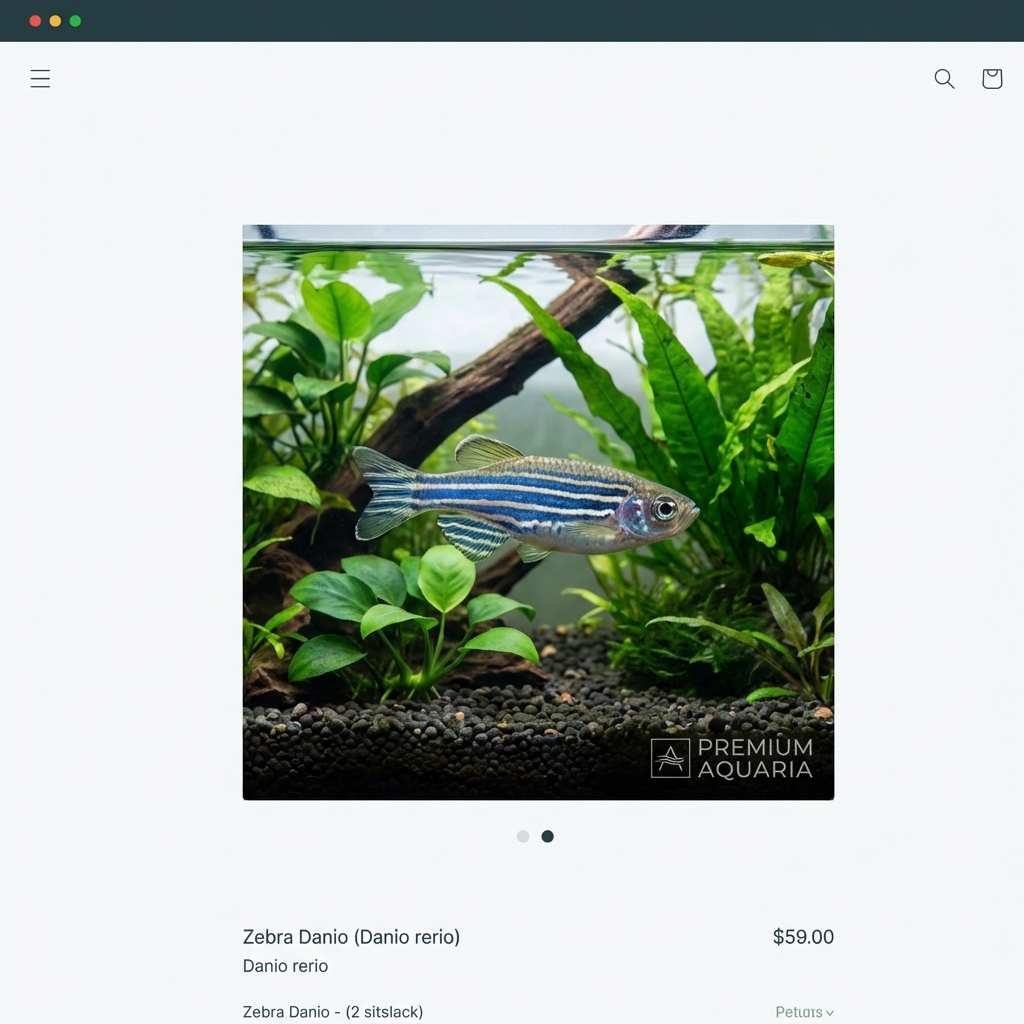
Zebra Danio (Danio rerio)
Bold horizontal blue and silver stripes make this fish instantly recognizable and highly appealing. Zebra Danios are amo...
or
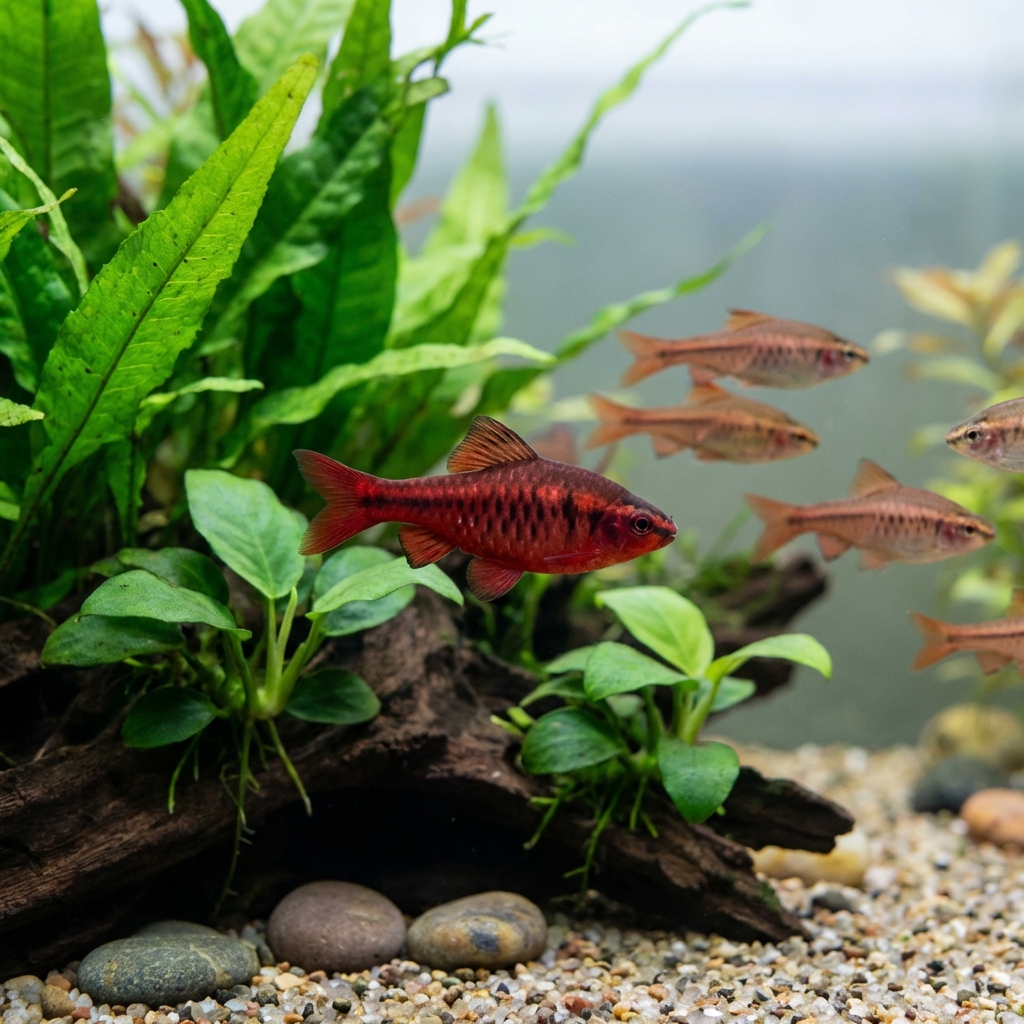
Cherry Barb
Hardy and colorful barb with deep red males. Peaceful schooling fish, beginner-friendly.
.
Monitor Closely
Continue testing ammonia and nitrite daily for the first two weeks after adding fish. You should see 0 ppm for both, with slowly rising nitrate. If ammonia or nitrite appear, perform immediate water changes and slow down stocking.
Gradual Stocking
Wait 1-2 weeks between additions, allowing bacterial colonies to adjust to increased bioload. This patient approach prevents "mini-cycles" that can stress or harm your fish.
Establishing a Maintenance Routine
Once stocked, maintain your cycled tank with:
- Weekly 25-30% water changes to control nitrate
- Regular filter maintenance (but never replace all media at once)
- Consistent feeding schedules
- Monthly testing to catch problems early
Fishless vs. Fish-In Cycling
This guide focuses on fishless cycling—the safest, most humane method. Fish-in cycling (using hardy fish to produce ammonia) subjects fish to toxic conditions and often results in illness or death. While common decades ago, modern aquarists recognize fishless cycling as the ethical standard.
If you must cycle with fish due to circumstances, use only 1-2 extremely hardy species, test twice daily, and perform water changes whenever ammonia or nitrite exceed 0.25 ppm. However, fishless cycling is always preferable.
Troubleshooting Common Issues
Stalled Cycle (No Progress After 4 Weeks)
Causes and solutions:
- Low temperature: Raise to 25-27°C
- Low pH: Buffer to 7.0-8.0 using crushed coral or pH adjuster
- Chlorinated water: Ensure you're dechlorinating all water additions
- Insufficient ammonia: Verify you're maintaining 2-4 ppm
Ammonia Won't Drop
Causes and solutions:
- New tank: First bacterial colony takes 10-14 days to establish—be patient
- Too much ammonia: High levels (>8 ppm) inhibit bacteria; do a water change
- pH crash: Test pH; if below 6.5, do a water change and add buffer
Nitrite Stays High for Weeks
Causes and solutions:
- Normal variation: Nitrite-consuming bacteria establish slower than ammonia-consumers
- Salt addition: Add 1 teaspoon per 40 litres to reduce nitrite toxicity (for freshwater tanks only)
- Patience: Nitrite can take 2-3 weeks to drop once it spikes
Conclusion
Cycling your first aquarium requires patience, but it's the foundation of long-term success in the hobby. By understanding the nitrogen cycle and following this timeline, you'll create a stable, healthy environment where your fish can thrive for years to come. Remember: every successful aquarist has waited through this process. Those few extra weeks of patience will reward you with a beautiful, stable aquarium and healthy, vibrant fish.
The cycling process teaches you valuable lessons about water chemistry, testing, and patience—skills you'll use throughout your aquarium-keeping journey. Take your time, trust the process, and soon you'll be enjoying your fully cycled, fish-filled aquarium.
For more information about stocking your newly cycled tank or water quality management, explore our other guides at /shop/demo, and don't hesitate to contact us at support@finshq.com with questions about your cycling journey.